



Collaboration with various clients across Africa
Client: UCLAP consortium (UGACOF/ Sucafina, Ibero/NKG, and ETG).
Implementing Partner: AaretonBlue on behalf of 60 Decibels
Sector: Agriculture – Coffee
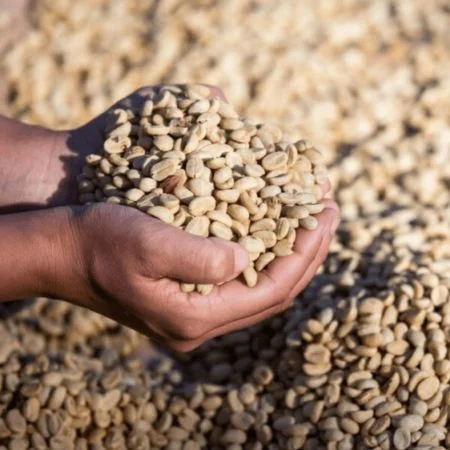
The Coffee Value Chain Human Rights Risk Assessment in Greater Masaka is a research study being conducted by 60 Decibels, in collaboration with Aareton Blue and the UCLAP consortium (UGACOF/Sucafina, Ibero/NKG, and ETG). The assessment is sponsored by Export Trading Group Commodities to help companies in Uganda prepare for and comply with the European Union’s Corporate Sustainability Due Diligence Directive (CSDDD), which requires businesses toidentify, monitor, and address human rights risks within their global supply chains.. The study is being carried out across the Greater Masaka region of Uganda, an important hub for coffee farming and processing. It targets smallholder farmers, workers, and other stakeholders within the coffee value chain. Data is being collected using structured questionnaires through face-to-face interviews and telephone (CATI) surveys, ensuring both inclusivity and safety. Enumerators will engage participants in conversations about their working and living conditions, experiences with child labor, gender based violence, economic pressures, and other human rights-related issues. The main objectives of the study are to understand the prevalence and nature of human rights risks in the coffee sector, to identify priority areas where interventions are needed, and to provide evidence-based insights to sponsors and stakeholders. Findings from this research will help both Ugandan coffee exporters and international buyers strengthen their due diligence processes, protect vulnerable populations in the value chain, and promote sustainable and ethical coffee production
Adding {{itemName}} to cart
Added {{itemName}} to cart